News & Events

What 36 NGOs are doing with AI — and what they are learning
AI in the social sector is moving beyond experimentation. In a Koita Foundation survey conducted in September 2026, 27 of 36 NGOs said they were already using AI, while others were actively exploring where it could add value.
Across the cohort, five broad use cases are emerging: training and learning; assistants and co-pilots; assessment and evaluation; analytics and decision support; and internal organisational use. Voice and local-language capabilities are also becoming increasingly important across these applications.
The findings point to a broader shift. As organisations move from idea to implementation, the question is no longer simply whether AI can work, but whether it is used, useful and better than the existing process.
They also show significant scope for peer learning: many NGOs are independently working on similar problems and can benefit from adapting what others have already tried.
AI in NGO Programme & Service Delivery brings together these findings, examples from the cohort and practical lessons for organisations considering their next steps with AI.

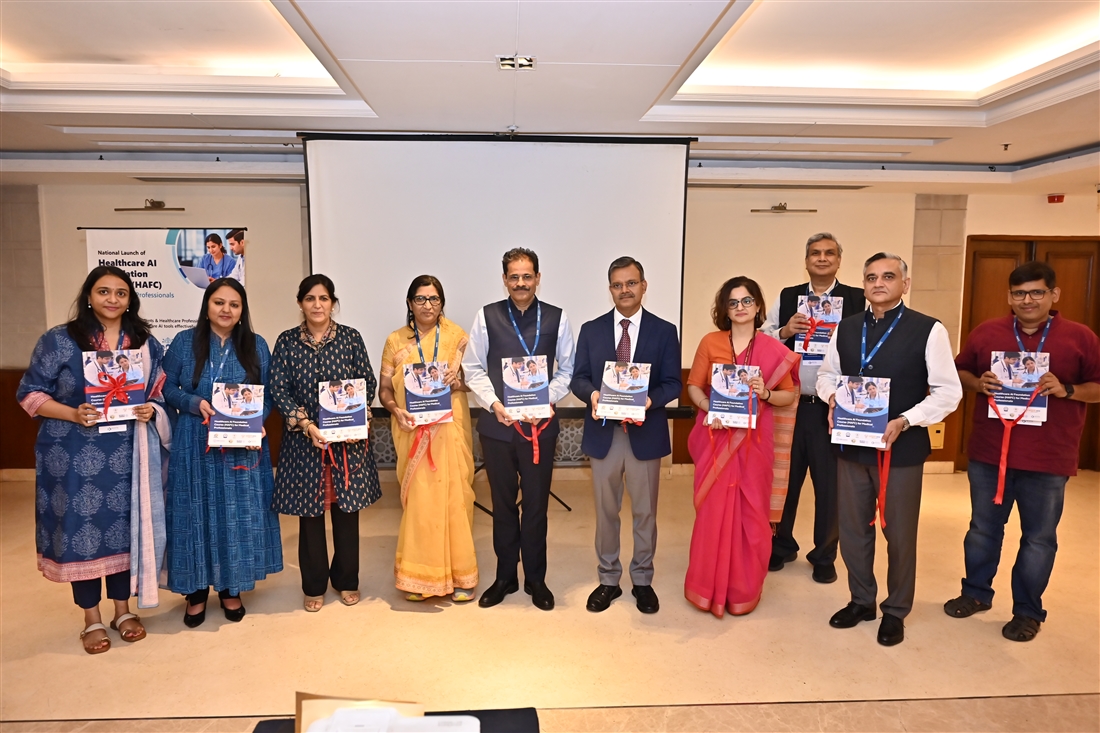
National Launch of the Healthcare AI Foundation Course (HAFC) by iGOT Karmayogi and Koita Foundation
As AI increasingly becomes part of how healthcare is delivered, India’s healthcare workforce needs to understand, evaluate and use these tools with confidence. The Strategy for Artificial Intelligence in Healthcare for India (SAHI), released by the Ministry of Health and Family Welfare earlier this year, provides a national framework for the safe and responsible use of AI in healthcare.
The Healthcare AI Foundation Course (HAFC) has been developed with this need in mind. It is aligned with SAHI and designed for healthcare professionals and medical students, with no prior technical background required. The course gives learners a well-rounded understanding of AI in healthcare. It covers the fundamentals of AI and large language models, real-world clinical and non-clinical applications, patient engagement and the interpretation of AI outputs. Through case studies and hands-on assignments, it prepares them to evaluate, interpret and use AI tools safely and responsibly in their practice.
HAFC is an open-source, self-paced course that has been co-developed with and supported by iGOT Karmayogi Bharat, CHAKRA (MUHS), Maharashtra University of Health Sciences (MUHS), Atal Bihari Vajpayee Medical University (ABVMU), Guru Gobind Singh Indraprastha University (GGSIPU), KCDH-IIT Bombay and KCDH-A.
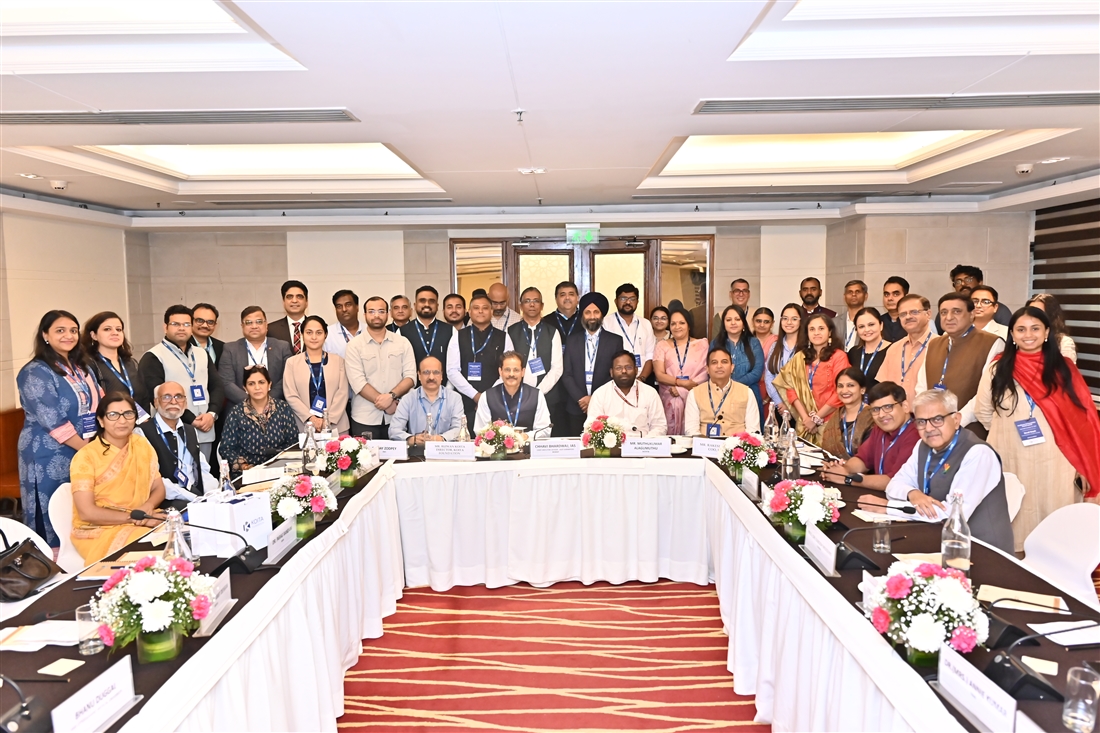
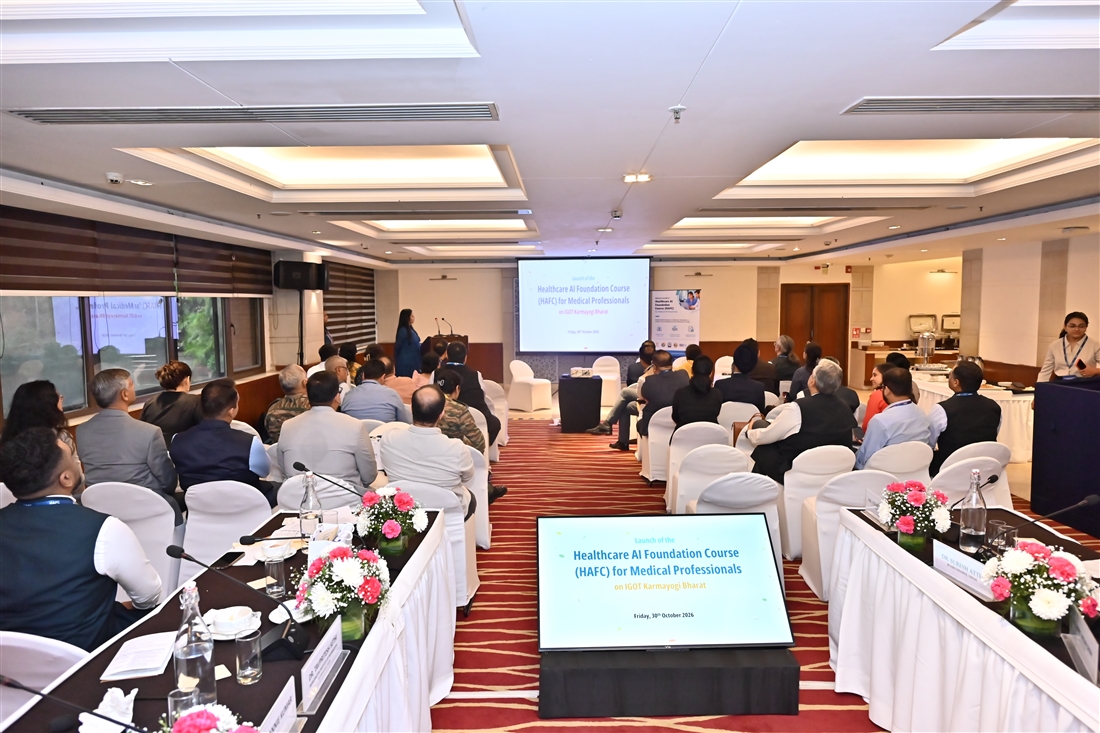
On 30th October 2026, iGOT Karmayogi and Koita Foundation hosted the Karmayogi Health Roundtable and the national launch of HAFC at India Habitat Centre, New Delhi. The Roundtable brought together leaders from government, medical universities, national institutions and professional bodies. They deliberated on Karmayogi Health, a proposed ecosystem on iGOT Karmayogi that would connect healthcare learning, institutions and expertise through role-based, competency-driven and continuous learning pathways.
Ms. Chhavi Bhardwaj, CEO, Karmayogi Bharat, spoke on the future of healthcare and the importance of building AI-ready healthcare professionals. In his keynote address, Dr. Sunil Barnwal, CEO, National Health Authority, emphasised the need to prepare the healthcare workforce for responsible AI adoption. He also proposed hosting HAFC on the NHA Digital Academy, making the course accessible to healthcare personnel and to stakeholders across the wider healthcare ecosystem.
We are grateful to all the institutions and leaders who joined us. We look forward to working together to prepare India’s healthcare workforce for the responsible use of AI.
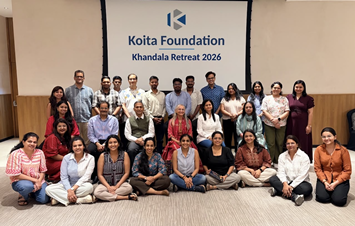
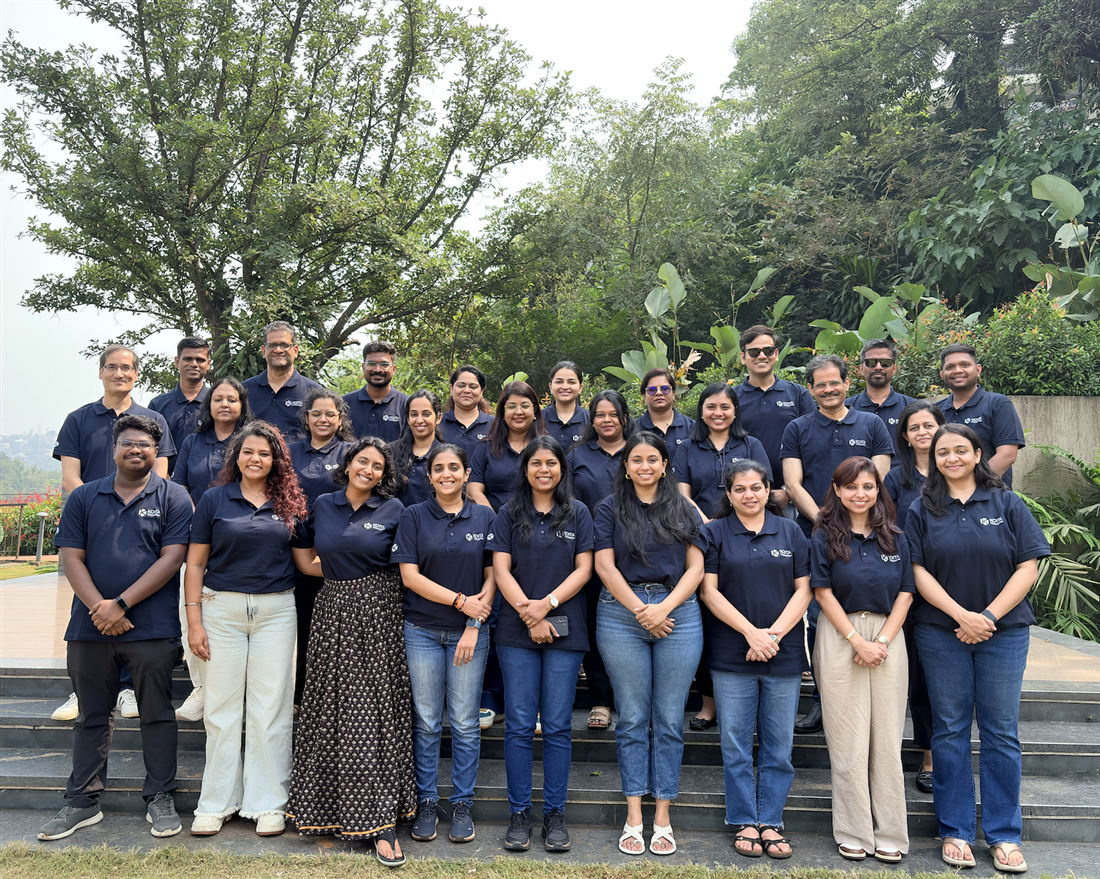
Koita Foundation Annual Offsite 2026
The Koita Foundation offsite brought our teams together for a weekend of exchanging ideas, learning from one another’s experiences and thinking collectively about how we can strengthen our work across centres. Equally valuable was the unhurried time together as a team.
We were privileged to host Lt. Gen. (Dr.) Madhuri Kanitkar former Vice Chancellor of MUHS, and Lt. Gen. Rajeev Kanitkar, whose reflections on a life of service, commitment and institution-building gave us much to think about. The weekend also marked a milestone close to home: Rizwan Koita’s five years at the Foundation.
We return with new ideas, fresh perspectives and plenty to take forward into the year ahead!

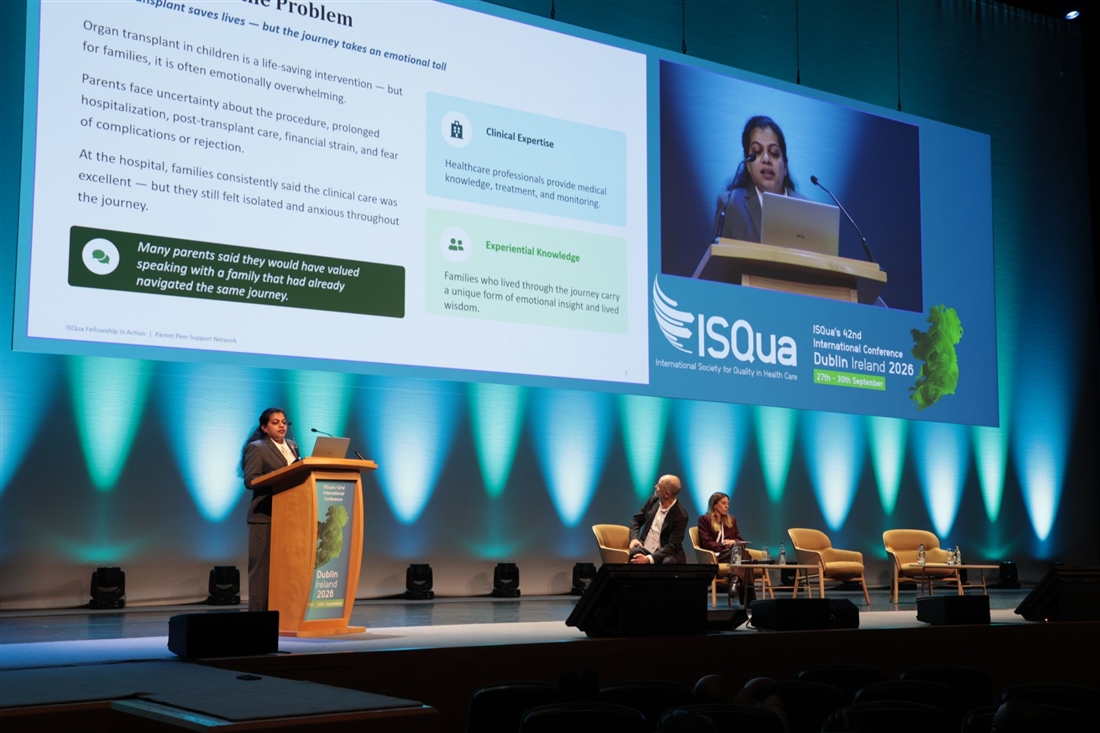
Mrudula Khedekar Recognised at ISQua’s 42nd International Conference
Koita Foundation is proud to share that Mrudula Khedekar, Senior Program Manager, has been recognised at ISQua’s 42nd International Conference in Dublin and won the ISQua Fellowship in Action presentation event.
As one of four Fellows selected from a community of over 2,000 Fellows to present at the Fellowship in Action session, Mrudula presented her work, “Creating a Community of Care: Establishing a Parent Peer Support Network for Pediatric Transplant Families.” The initiative focuses on establishing a peer support network for families navigating paediatric transplantation.
Her presentation was subsequently selected for the Closing Plenary, highlighting how learnings from the ISQua Fellowship can be translated into meaningful action within communities.
Koita Foundation congratulates Mrudula on this well-deserved recognition and for bringing this important work to an international platform.

Koita Foundation and ICMR Partner to Advance Digital Health and Healthcare AI
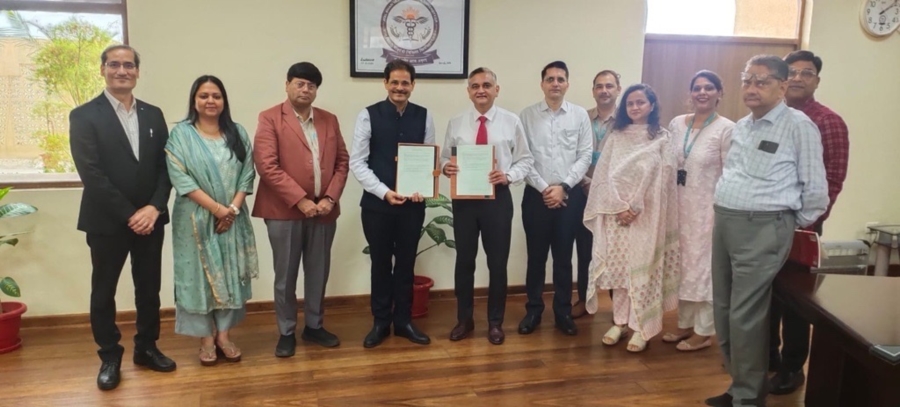
Koita Foundation has signed a Memorandum of Understanding (MoU) with the Indian Council of Medical Research (ICMR) to collaborate on Digital Health and Healthcare AI.
The collaboration will focus on Digital Health and AI capacity building, validation and generation of real-world evidence for Digital Health and AI solutions, innovation ecosystem development, data repositories and disease registries.
The partnership was signed in the presence of Dr. Rajiv Bahl, Director General, ICMR, and Dr. Mona Duggal, Director, ICMR-National Institute for Research in Digital Health (ICMR-NIRDH). Koita Foundation is grateful to Dr. Bahl and Dr. Duggal for their leadership and for the opportunity to collaborate with ICMR. ICMR's National Institute for Research in Digital Health (NIRDH) has been set up to strengthen capabilities in Digital Health and AI, and to accelerate responsible innovation and adoption at scale across India.
The occasion was also blessed by Dr. Sanghamitra Pati, Additional Director General, ICMR; Prof. Anurag Agrawal, Dean, Biosciences, Ashoka University and Head, Koita Centre for Digital Health at Ashoka University; Prof. Ranjith Padinhateeri, Head, Koita Centre for Digital Health, IIT Bombay; and Dr. Indu Bhushan, Founding CEO, National Health Authority, among other healthcare and Digital Health leaders.
Koita Foundation looks forward to working closely with ICMR and ICMR-NIRDH to strengthen the Digital Health and AI ecosystem and support the translation of innovation into meaningful applications for healthcare in India.

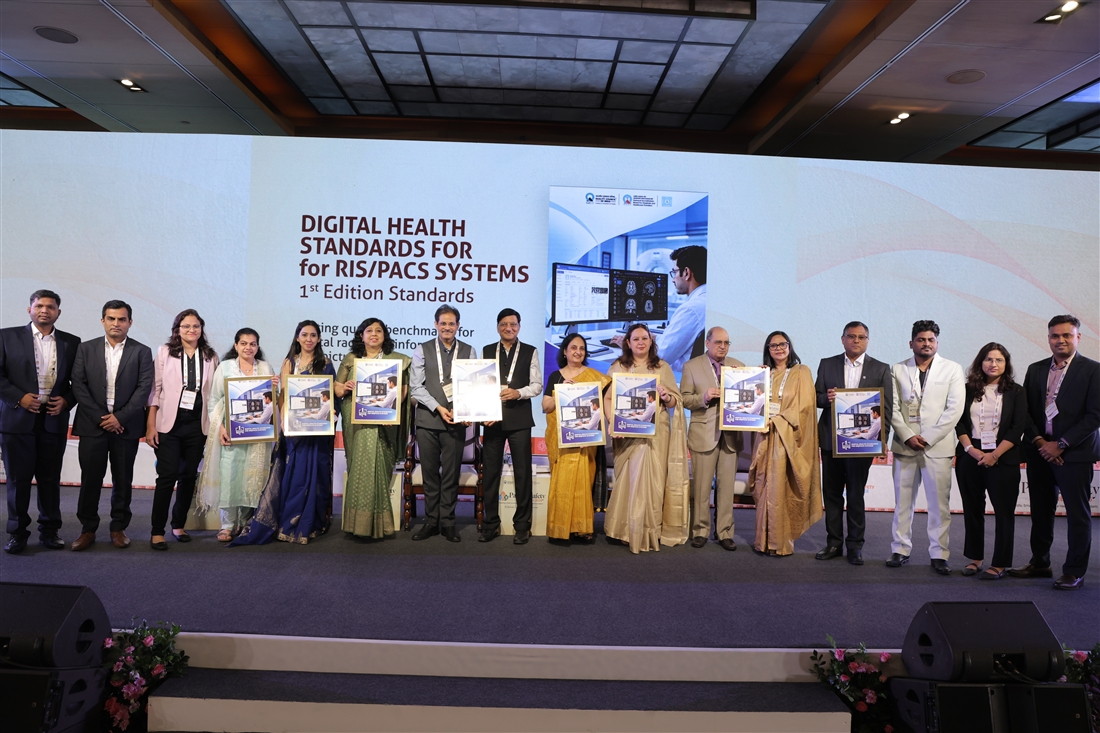
Digital Health Standards for RIS and PACS Launched at NABH Patient Safety Conference 2026
New standards for Radiology Information Systems (RIS) and Picture Archiving and Communication Systems (PACS) were launched by the National Accreditation Board for Hospitals & Healthcare Providers (NABH) at the NABH Patient Safety Conference 2026 in New Delhi on 17 September 2026.
Developed in collaboration with the National Cancer Grid – Koita Centre for Digital Oncology (NCG-KCDO), the standards provide a structured framework for hospitals and healthcare institutions to define their RIS-PACS requirements and evaluate solutions across areas including functional capabilities, technical requirements, interoperability, scalability, security and operational workflows. By establishing a common framework, the standards can support more consistent adoption of digital radiology systems across healthcare settings.
The standards also include oncology-specific requirements, addressing the specialised imaging and information needs of cancer care and supporting the digital transformation of NCG-empanelled centres.
The development of the standards brought together clinical and radiology experts, members of the NCG RIS-PACS Sub-Committee, NABH representatives and industry stakeholders, incorporating clinical, technology, operational and accreditation perspectives.
The launch is an important step towards strengthening standardisation and interoperability in digital radiology, while helping healthcare institutions adopt secure, scalable and connected radiology systems.
Koita Foundation supported this collaborative initiative as part of its commitment to advancing digital health standards and enabling the responsible adoption of technology across healthcare.
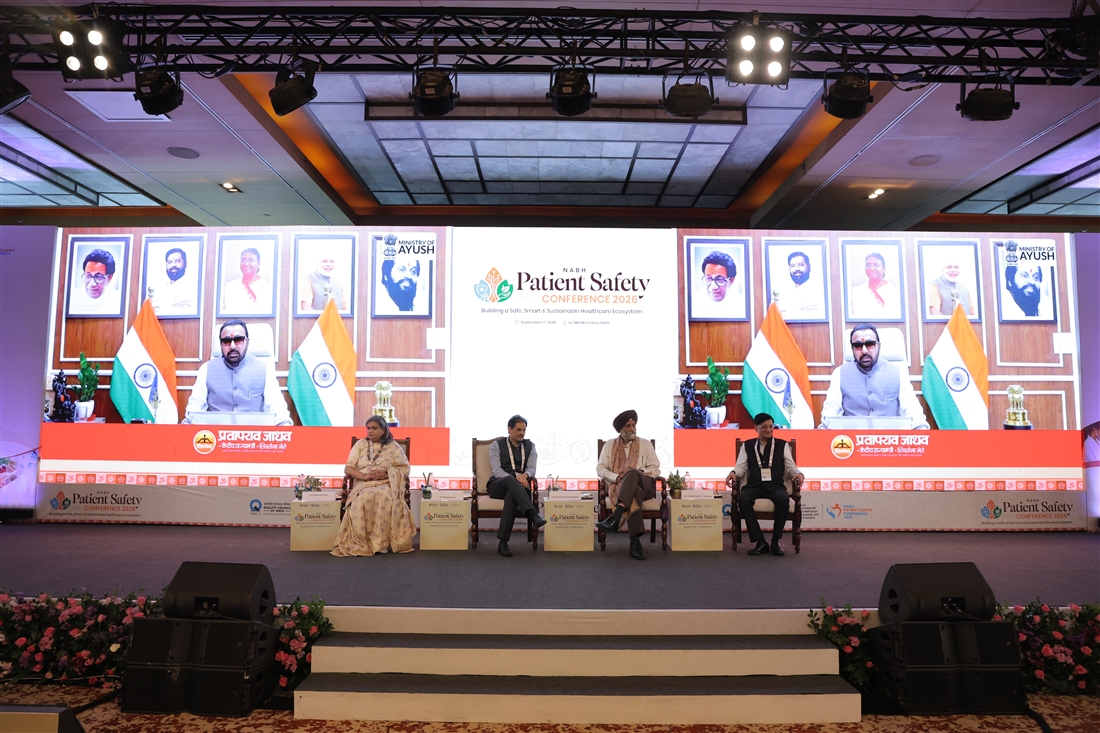
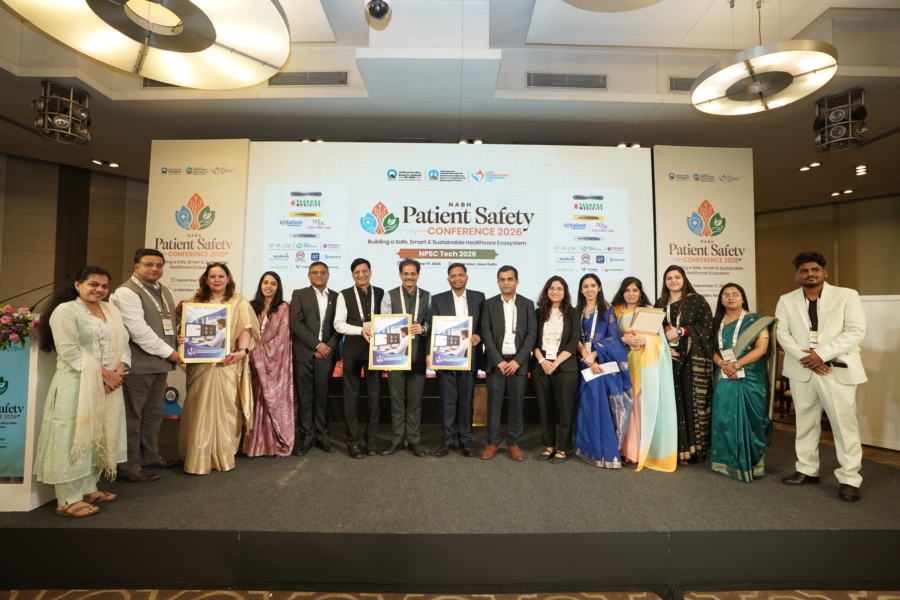

ISB Releases Report on Value of NABH Digital Health Standards Certification
The Max Institute of Healthcare Management (MIHM) at the Indian School of Business (ISB) launched a new report, Post-Adoption Value of NABH Digital Health Standards: A Multi-Hospital Assessment in India, at ISB's Hyderabad campus. Ajay Seth, Chairperson, Insurance Regulatory and Development Authority of India (IRDAI), released the report in the presence of Kannan Chakravarthy, Secretary General, Quality Council of India and CEO (I/C), NABH; Rizwan Koita, Chairperson, NABH; Professor Sarang Deo, Executive Director, MIHM, ISB; and Professor Sandeep Rath, Assistant Professor of Operations Management, ISB.
The independent study assessed 20 NABH Digital Health Standards (DHS)-certified hospitals across India, drawing on interviews and a survey of 80 hospital leaders.
Key findings of the study:
- Overall increase in Digital maturity: From 3.42 to 4.35/5.00
- Overall value of NABH DHS to hospitals: 4.62/5.00
- Data privacy and documentation quality: 4.56/5.00
- Operational efficiency: 4.38/5.00
- Interoperability: 4.29/5.00
Hospitals cited improving patient-care quality and operational efficiency as the leading reasons for adopting DHS. The report documented benefits including improved medication safety, better documentation and traceability, faster workflows, stronger governance, and reduced revenue leakage. It also found that staff training, workflow redesign and hospital leadership were key to converting DHS adoption into measurable gains, and pointed to automation, AI-enabled capabilities and deeper integration with the Ayushman Bharat Digital Mission (ABDM) as next steps for certified hospitals.

Union Minister Jitendra Singh Launches RSSDI VISHWAS Platform to Strengthen Diabetes Care
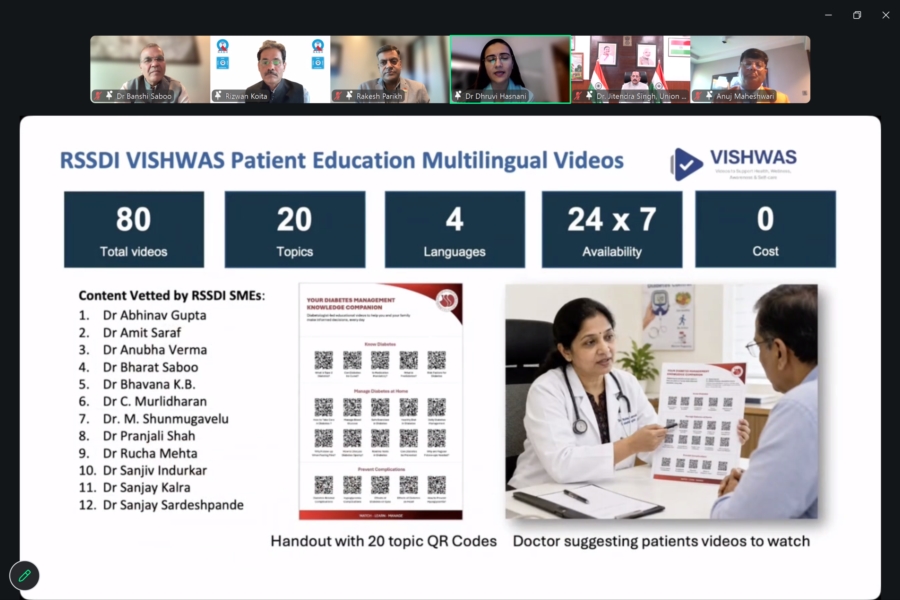
On the occasion of Independence Day, RSSDI and RSSDI-KCDD announced the launch of two digital & AI initiatives aimed at improving access to diabetes care and education in underserved communities across India: the RSSDI Rural Outreach Program (RROP) Digital Platform and RSSDI VISHWAS (Videos to Support Health, Wellness, Awareness & Self-care).
The initiatives were launched by Chief Guest Dr (Shri) Jitendra Singh, Union Minister of State (Independent Charge) for Science & Technology and Earth Sciences, and Minister of State for Atomic Energy. The event was also graced by Dr (Shri) Banshi Saboo, Chair, IDF South-East Asia, and Mr Rizwan Koita, Chairperson, NABH and Director, Koita Foundation.
The RROP Digital Platform has been developed to strengthen diabetes screening and management in rural and underserved areas by connecting rural health workers, RSSDI doctors, and programme teams through a unified digital ecosystem. The platform supports field-level screening and real-time programme monitoring, enabling a more structured and technology-enabled approach to last-mile diabetes care.
Complementing this effort, RSSDI VISHWAS, a scalable AI-supported platform helps patients and the public with easy-to-understand educational videos on diabetes self-care, healthy nutrition, and prevention of diabetes-related complications. The content is currently available in English, Hindi, Marathi, and Tamil, with plans to expand to 10 Indian languages, making reliable diabetes education accessible to a wider audience. Learn more - https://www.youtube.com/@rssdi-kcdd
RSSDI-KCDD continues to advance its mission of strengthening the continuum of diabetes care and improving access to quality care for underserved populations. Learn more about RSSDI-KCDD and its digital & AI initiatives - https://www.rssdi-kcdd.in/

Koita Foundation Signs MoU with TANUH, IISc's AI Centre of Excellence on AI-Driven Healthcare Solutions
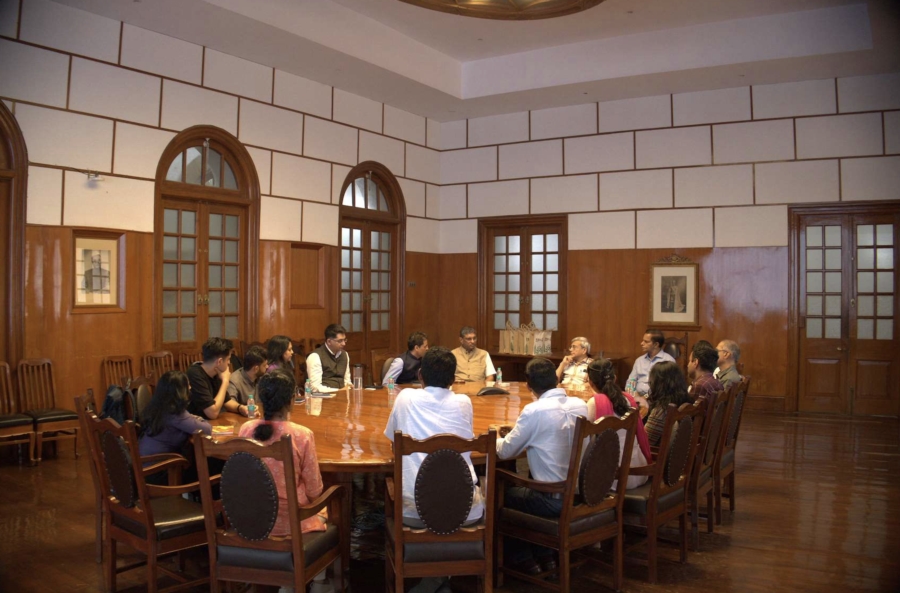
We are delighted to share that Koita Foundation has signed an MoU with TANUH (Translational AI for Networked Universal Healthcare), an AI Centre of Excellence under the Ministry of Education, Government of India, New Delhi, hosted at the Indian Institute of Science (IISc). The partnership will focus on research, development, deployment, and testing of AI-driven solutions.
As part of the collaboration, Koita Foundation, together with the Gates Foundation, will support TANUH in developing evaluation framework for Voice-to-Discrete Data (V2DD) solutions (voice scribing solutions) in India. Most existing voice scribing solutions has been designed around English-speaking settings and hasn't accounted for how healthcare conversations actually happen in India, which is usually multilingual with regional variations. Just as important, there's no standardised way today to measure how these systems perform once you bring them into an Indian setting.
The initiative will focus on building benchmark datasets, clinically relevant evaluation metrics and a testing platform to help assess V2DD solutions across various Indian languages and care settings. We look forward to advancing this work with our partners!

ABVMU and Koita Foundation Sign MoU to Advance Digital Health & AI Capacity Building
We are pleased to announce the signing of a Memorandum of Understanding (MoU) between Atal Bihari Vajpayee Medical University (ABVMU), Uttar Pradesh, and Koita Foundation to advance Digital Health & AI capacity building for medical and nursing students. ABVMU is affiliated with 68 medical and 300+ nursing and allied health institutions across the state, making it the largest medical university in the country.
As part of the MoU, ABVMU will introduce the Digital Health Foundation Course (DHFC) for medical students and the Digital Health Foundation Course for Nursing (DHFC-N) for nursing students, strengthening Digital Health & AI competencies among future doctors and nurses so they're equipped to leverage digital technologies in clinical practice and healthcare delivery.